Understanding Dementia
Dementia is not a single disease but a general term that describes a group of symptoms affecting memory, thinking, and social abilities severely enough to interfere with daily life.
It is caused by damage to brain cells, which affects their ability to communicate with each other. When brain cells cannot communicate normally, thinking, behavior, and feelings can be affected.

Types of Dementia
There are several different types of dementia, each with its own causes and characteristics.
Alzheimer's Disease
The most common type, accounting for 60-80% of cases. Causes problems with memory, thinking, and behavior.
Vascular Dementia
Occurs after a stroke blocks blood flow to the brain. Symptoms vary depending on the area affected.
Lewy Body Dementia
Associated with abnormal protein deposits in the brain. Causes visual hallucinations and movement problems.
Frontotemporal Dementia
Affects the frontal and temporal lobes. Changes personality, behavior, and language abilities.
Mixed Dementia
A combination of two or more types of dementia, most commonly Alzheimer's and vascular dementia.
Parkinson's Disease Dementia
Develops in people with Parkinson's disease, affecting thinking and reasoning abilities over time.
Understanding Aphasia
Aphasia is a language disorder that affects the ability to communicate. It can impact speaking, understanding, reading, and writing.
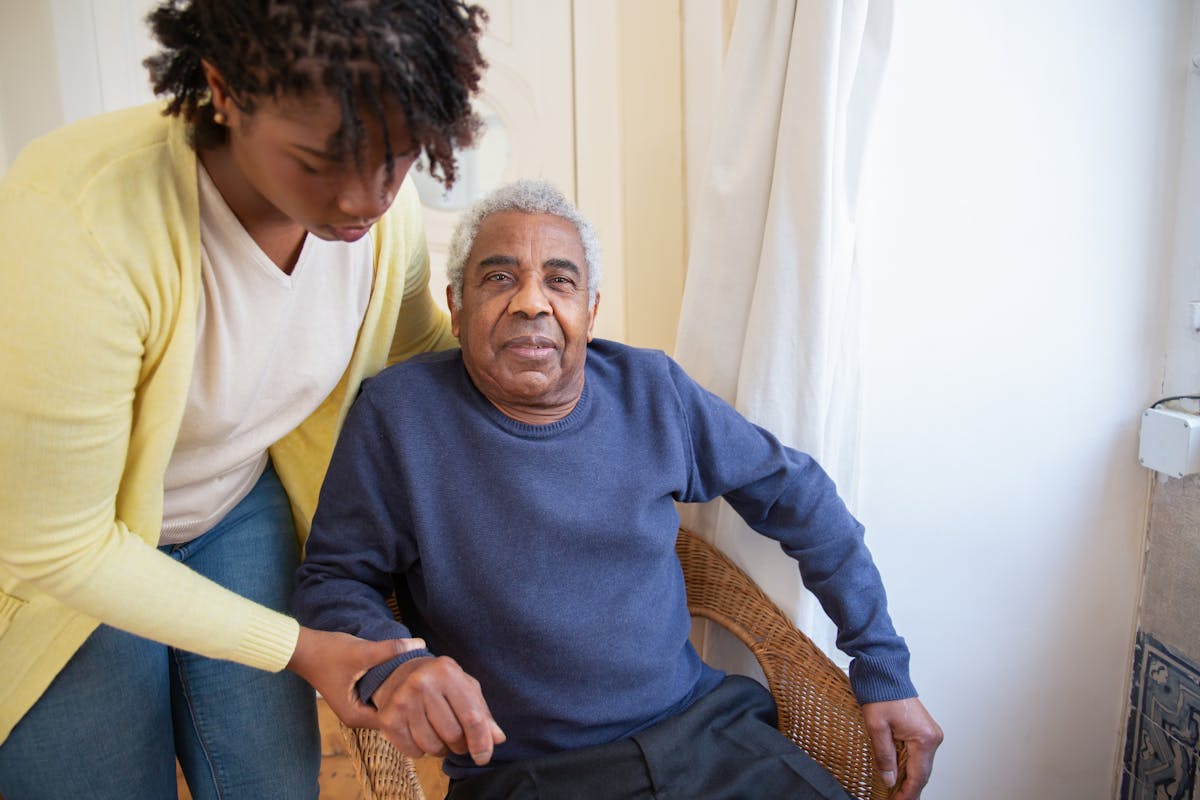
"Aphasia robs you of your words, but not your thoughts, feelings, or intelligence."
Expressive Aphasia
(Broca's Aphasia)
🎯 "The 'Tip of the Tongue' state, but constant"
It feels like the words are there, but the "output wire" is cut. The person knows what they want to say, but the words won't come out correctly.
Receptive Aphasia
(Wernicke's Aphasia)
🥗 Often called "Word Salad"
The person speaks easily, but the words don't match their thoughts, and incoming speech sounds like a foreign language they can't understand.
Global Aphasia
(Most Severe Form)
⚡ Usually seen after major stroke or injury
The most taxing form of aphasia, requiring total communication support. Affects all aspects of language—speaking, understanding, reading, and writing.
Early Signs & Symptoms
Recognizing these early warning signs can help with early diagnosis and better management.
Memory Loss
Forgetting recently learned information, important dates, or asking the same questions repeatedly.
Planning Difficulties
Trouble making plans, following recipes, or keeping track of monthly bills.
Confusion with Time/Place
Losing track of dates, seasons, or getting lost in familiar places.
Speaking/Writing Problems
Trouble following conversations, finding the right words, or repeating themselves.
Mood & Personality Changes
Becoming confused, suspicious, depressed, fearful, or anxious.
Social Withdrawal
Withdrawing from hobbies, social activities, or avoiding being social.
7 Stages of Dementia
Understanding the progression helps caregivers prepare and provide appropriate care at each stage.
No Cognitive Impairment
Normal function, no memory problems
Very Mild Decline
Minor memory lapses, may lose items
Mild Decline
Noticeable cognitive problems
Moderate Decline
Clear-cut symptoms appear
Moderately Severe
Needs help with daily activities
Severe Decline
Requires extensive care
Very Severe Decline
Needs full-time assistance
Understanding the Stages
These stages are based on the Global Deterioration Scale (GDS), also known as the Reisberg Scale. Progression through stages varies for each individual, and the boundaries between stages are not always clear-cut. Early diagnosis and intervention can help slow progression and improve quality of life.
Separating Fact from Fiction
Let's clear up some common misconceptions about dementia.
"Dementia is a normal part of aging"
Dementia is NOT a normal part of aging. While age is a risk factor, many people live into their 90s without developing dementia.
"Only old people get dementia"
Young-onset dementia affects people under 65. Around 5-6% of people with dementia are younger than 65.
"There's nothing you can do to reduce your risk"
Healthy lifestyle choices like exercise, healthy diet, mental stimulation, and social engagement may reduce your risk.
"People with dementia can't live meaningful lives"
With proper support, people with dementia can continue to live fulfilling lives and maintain their dignity and quality of life.
When to Seek Help
If you or someone you know is experiencing memory problems or other symptoms of dementia, it's important to see a doctor for a proper evaluation.
See Your Doctor
Schedule an appointment to discuss your concerns and symptoms.
Keep a Symptom Diary
Document when symptoms occur and how they affect daily life.
Bring a Family Member
They can provide additional observations and support during the visit.
Need More Information?
Connect with our community of dementia care professionals for guidance and support.