What is Aphasia?
Aphasia is a communication disorder that results from damage to the parts of the brain that contain language. It affects a person's ability to speak, understand speech, read, and write — but it does not affect intelligence.
Aphasia most often occurs after a stroke, but can also result from brain tumors, traumatic brain injuries, or infections. It affects everyone differently depending on which part of the brain is damaged.
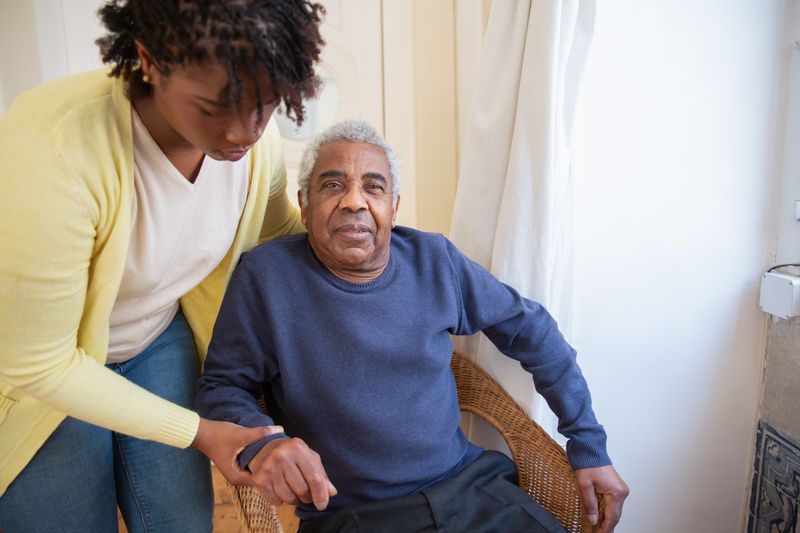
Understanding the Types
There are several types of aphasia, each affecting language abilities in different ways.

Expressive Aphasia
(Broca's Aphasia)
🎯 "The 'Tip of the Tongue' state, but constant"
It feels like the words are there, but the "output wire" is cut. The person knows exactly what they want to say, but the words simply won't come out correctly.

Receptive Aphasia
(Wernicke's Aphasia)
🥗 Often called "Word Salad"
The person speaks easily, but the words don't match their thoughts, and incoming speech sounds like a foreign language they can't understand.

Global Aphasia
(Most Severe Form)
⚡ Usually seen after major stroke or injury
The most taxing form of aphasia, requiring total communication support. Affects all aspects of language—speaking, understanding, reading, and writing.
Anomic Aphasia
Difficulty finding words, especially nouns and verbs, despite understanding and speaking fluently.
Conduction Aphasia
Difficulty repeating words or phrases despite good comprehension and relatively fluent speech.
Transcortical Motor
Similar to Broca's but with preserved ability to repeat words and phrases heard from others.
Transcortical Sensory
Similar to Wernicke's but with preserved repetition; often echolalia (repeating what's heard).
How to Communicate Effectively
Supporting someone with aphasia requires patience, understanding, and the right communication strategies.
Be Patient
Give extra time for the person to speak. Don't rush or finish their sentences.
Maintain Eye Contact
Face the person and keep eye contact. It helps with understanding and connection.
Use Simple Language
Speak clearly and use short sentences. One idea at a time works best.
Use Visual Aids
Pictures, gestures, and written words can help convey meaning.
Confirm Understanding
Check that you've understood correctly. Repeat back what you heard.
Include Them
Always include the person in conversations. Don't talk about them as if they're not there.

Aphasia takes away your words, but not your voice. With patience and support, recovery is possible.
— National Aphasia Association
Need More Support?
Connect with our community of specialists and caregivers for guidance and support on the aphasia journey.